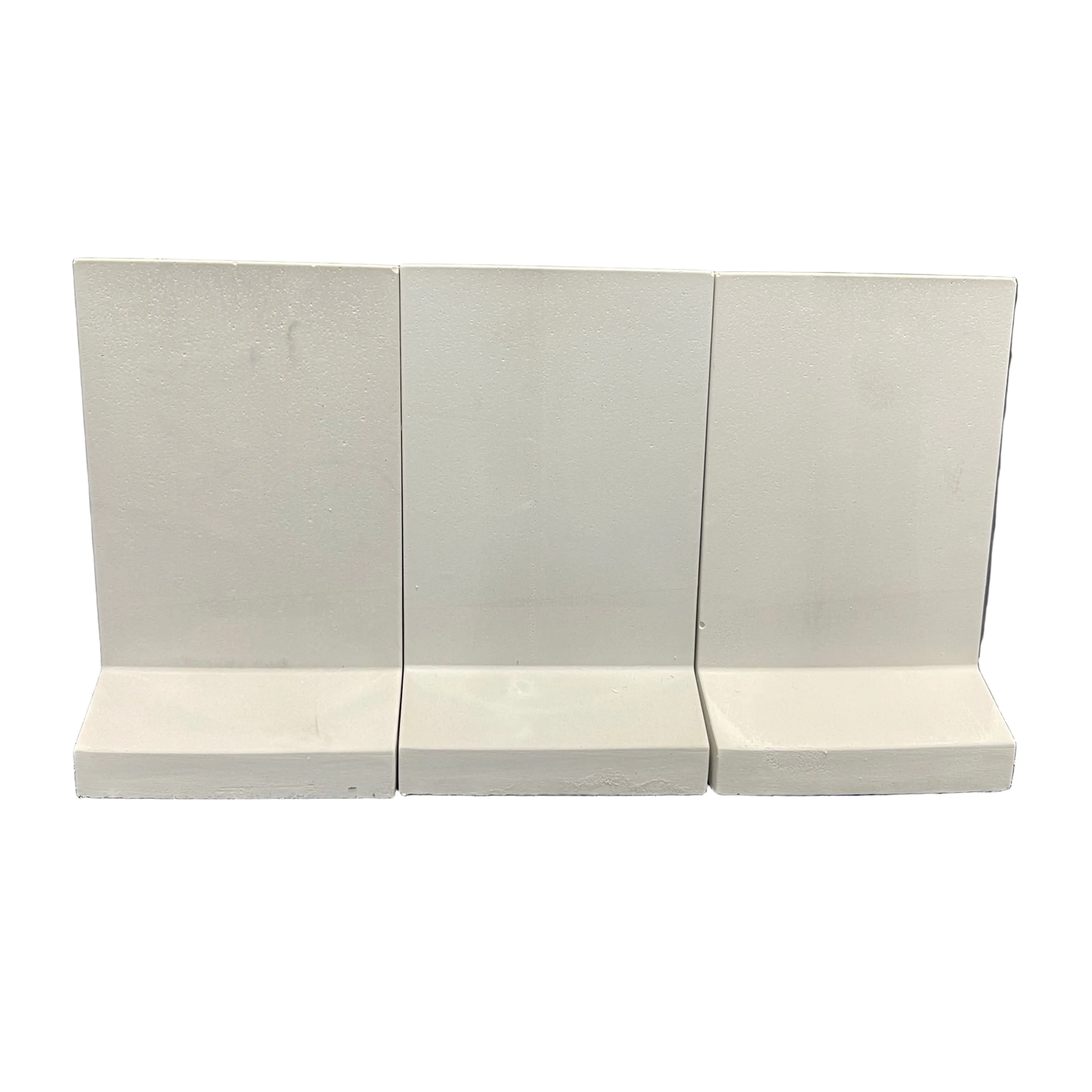
The Alaska barrier is the defining obstacle of the post-2001 battlefield. Taller than a man, heavier than a truck, deployable by a single crane in minutes — these interlocking concrete monoliths went up around every FOB, checkpoint, and compound from Kandahar to Fallujah. Where the Jersey barrier managed traffic, the Alaska barrier stopped vehicles, absorbed blasts, and kept personnel alive.
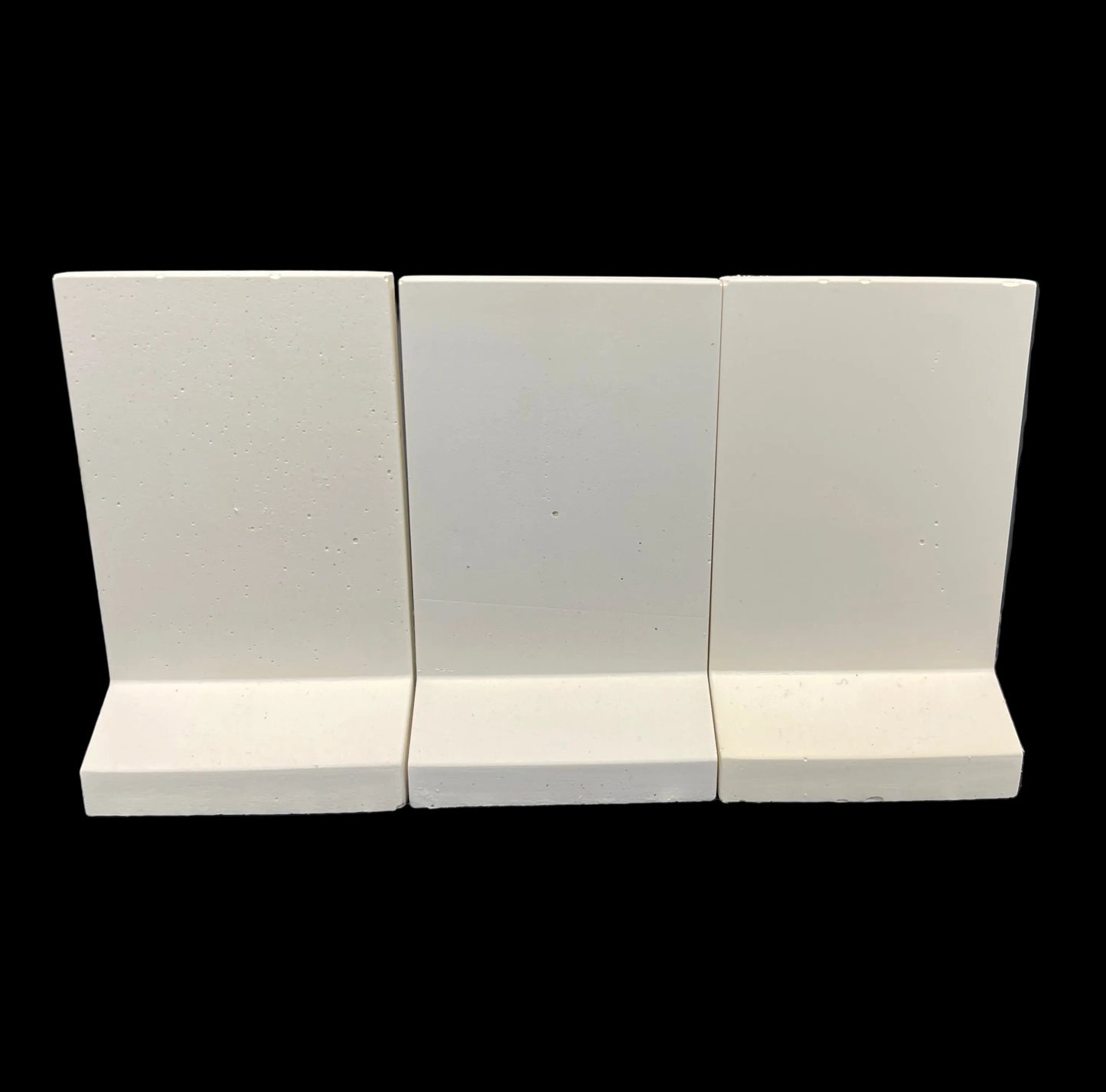
Three highly detailed plaster barriers in 1/35 scale, plus a full battle damage and weathering instruction sheet. Your concrete. Your story.
Kit Contents
• 3 × plaster cast Alaska barriers
• 1 × battle damage and weathering instruction sheet
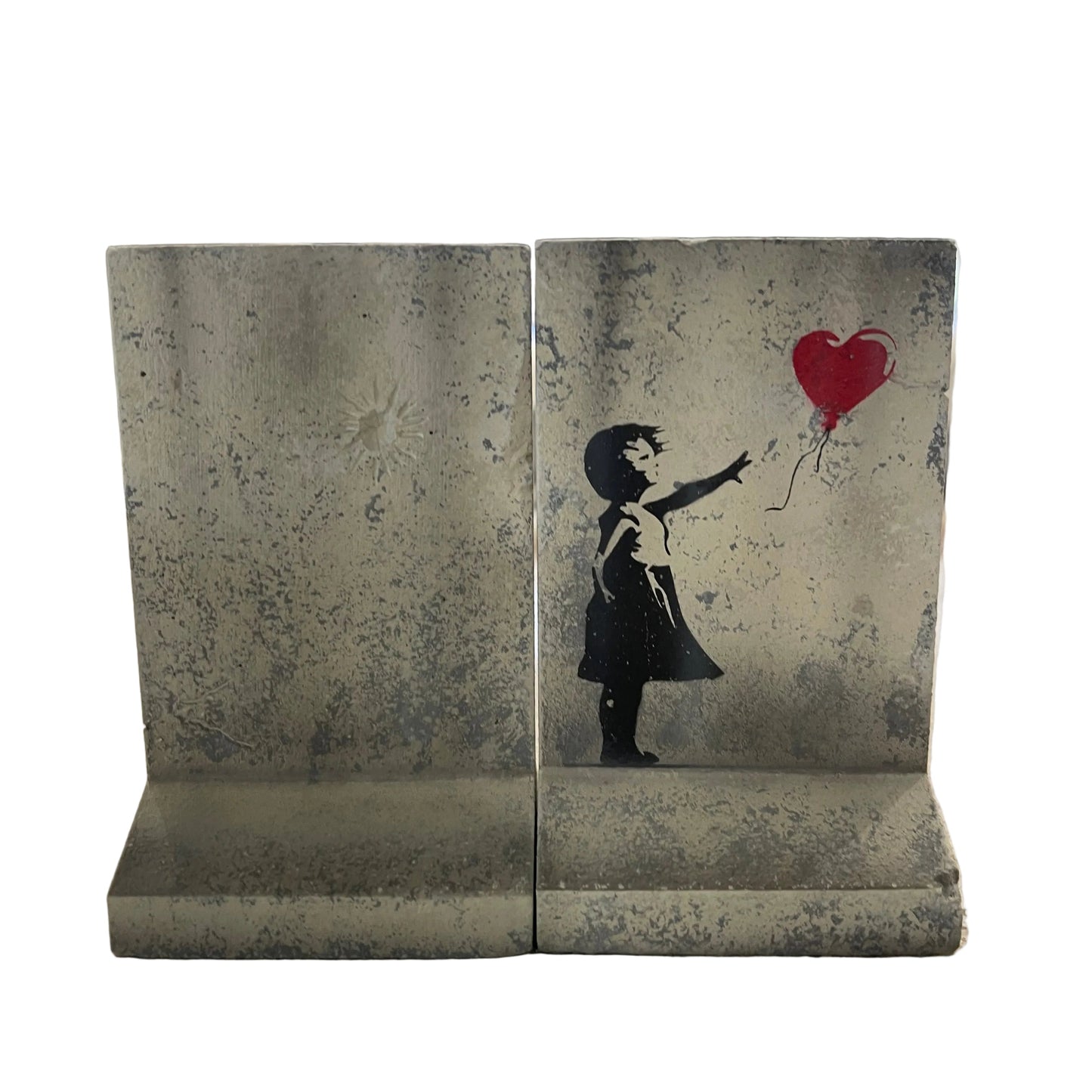
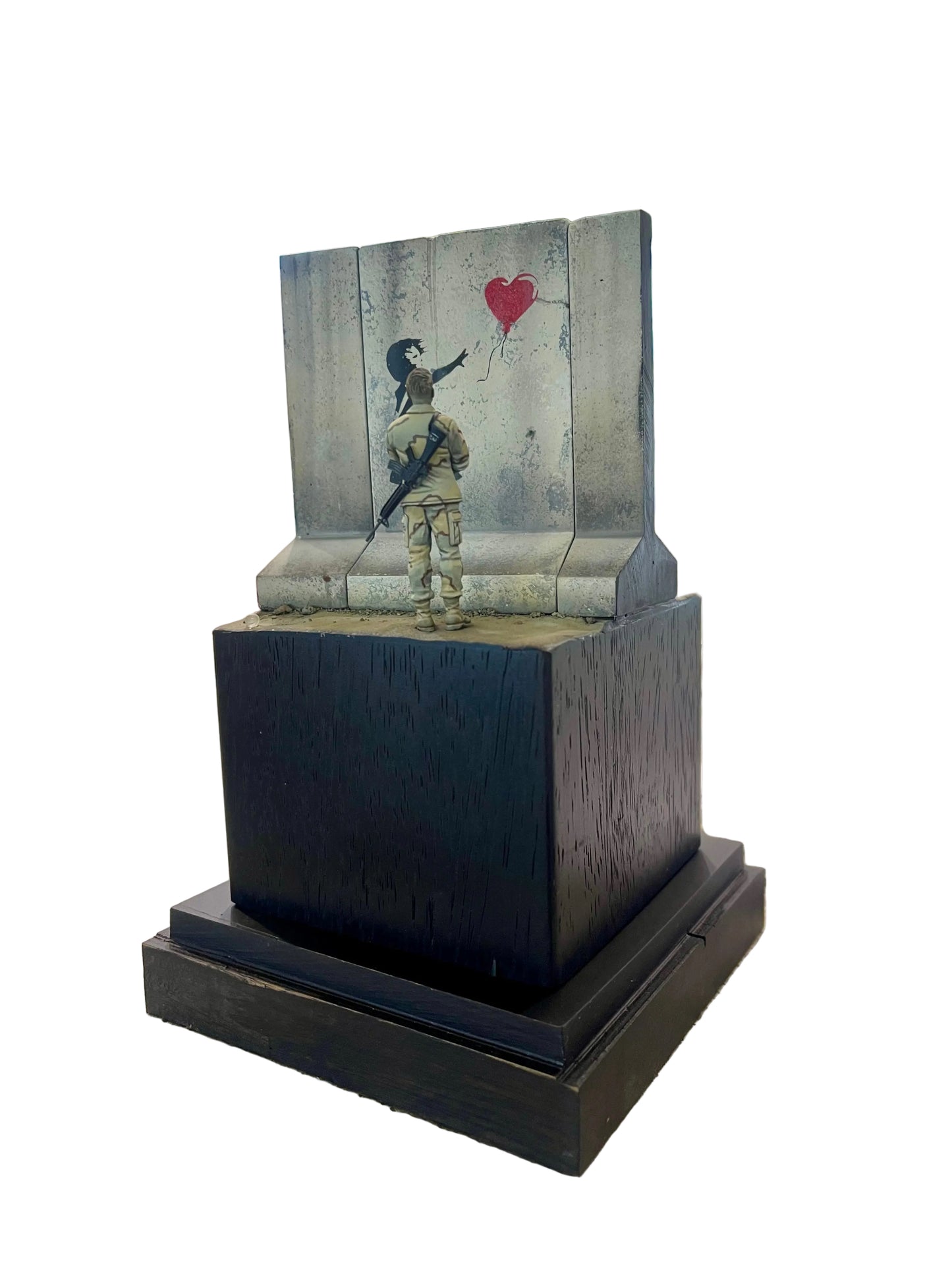
Supplied clean and unweathered — the damage is yours to apply. Plaster carves, chips, drills, and fractures like the real thing, responding to dental picks, Dremel tools, and scribing exactly as concrete does at scale. The instruction sheet covers everything: damage zone planning, bullet strikes, blast craters, spalling, rebar exposure, surface texture, and a full painting sequence from primer to dust pigments.
FOB perimeter wall — Line them up, add wire, put a figure on stag. One of the most readable modern military scenes in any scale.
Vehicle checkpoint — Chicane configuration with boom gate and personnel. Afghanistan, Iraq, any modern force protection scenario.
Urban combat — Stack them, breach them, use them as cover. Alaska barriers appear in every contested urban environment of the last twenty-five years.
Compatible with: modern military dioramas · FOB and checkpoint scenes · urban combat builds · competition vignettes
Originally developed for flood control, the Alaska barrier — also known as the T-wall — was adopted by the US military as a force protection measure in the early 2000s and became the defining feature of coalition infrastructure across Iraq and Afghanistan. At full scale each unit stands 1.8 metres tall and weighs close to two tonnes. A single engineer team with a crane could erect a compound perimeter in hours.
Damage accumulated fast. IED blasts, small arms, vehicle contact — a barrier on a busy perimeter for a year looked nothing like one fresh from the yard. The instruction sheet shows you exactly how to get there.